


Recover vs Tear-Off: How to Know Which Your Roof Needs

When a commercial roof needs replacing, there are two main ways to do it:
Recover: Put a new roof system over the existing roof.
Tear-off: Remove the old roof down to the deck and start fresh.
Both can be the right choice. Here's how to know which one fits your building.
What is a recover?
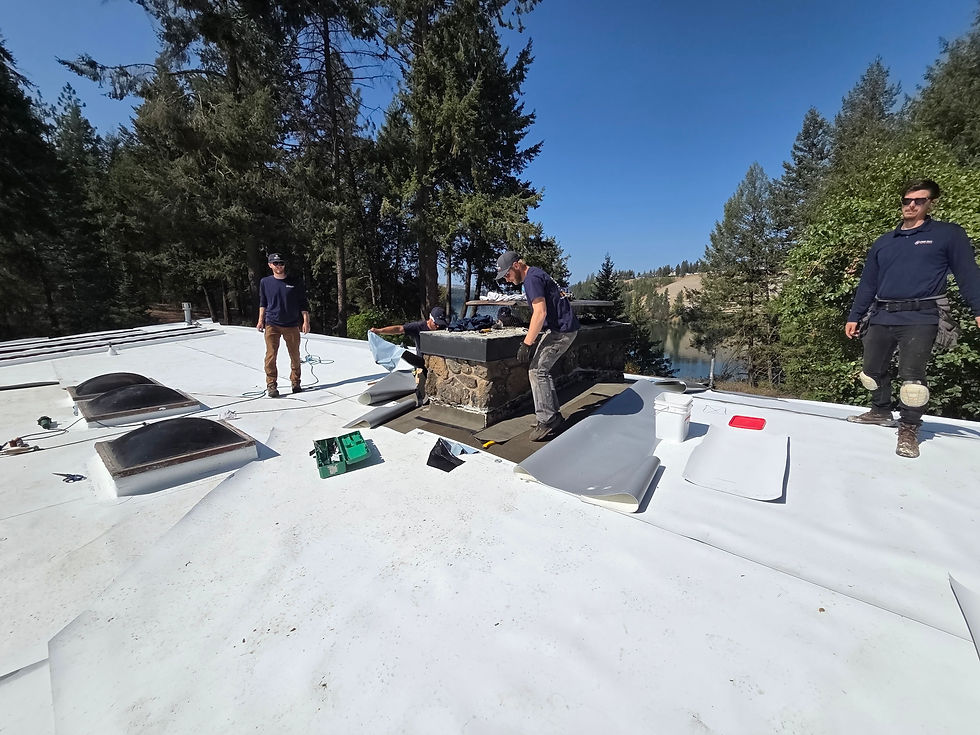
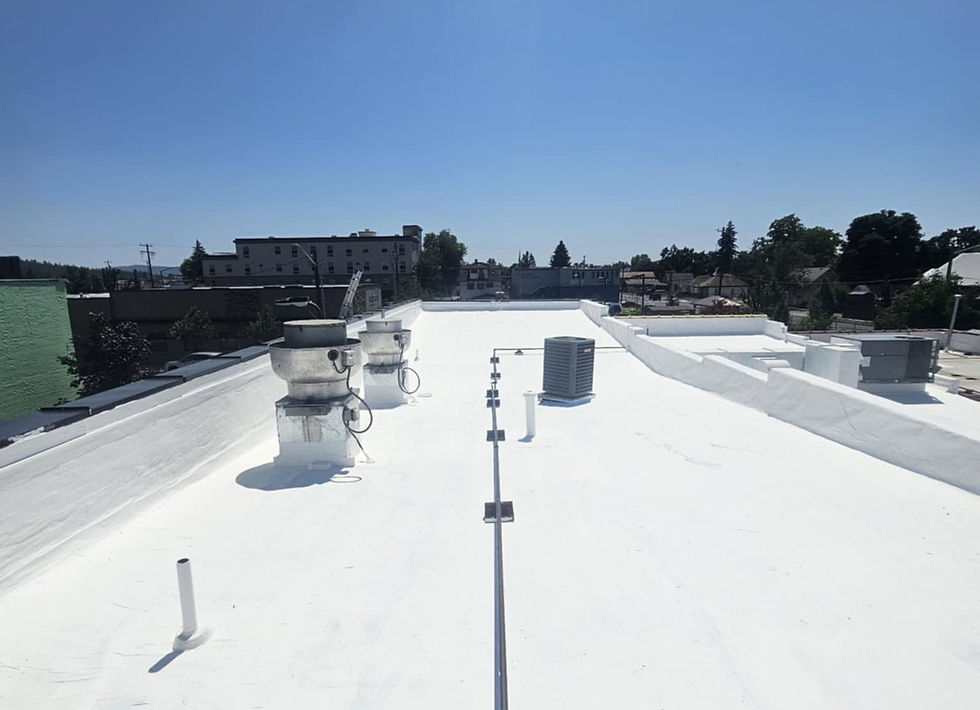
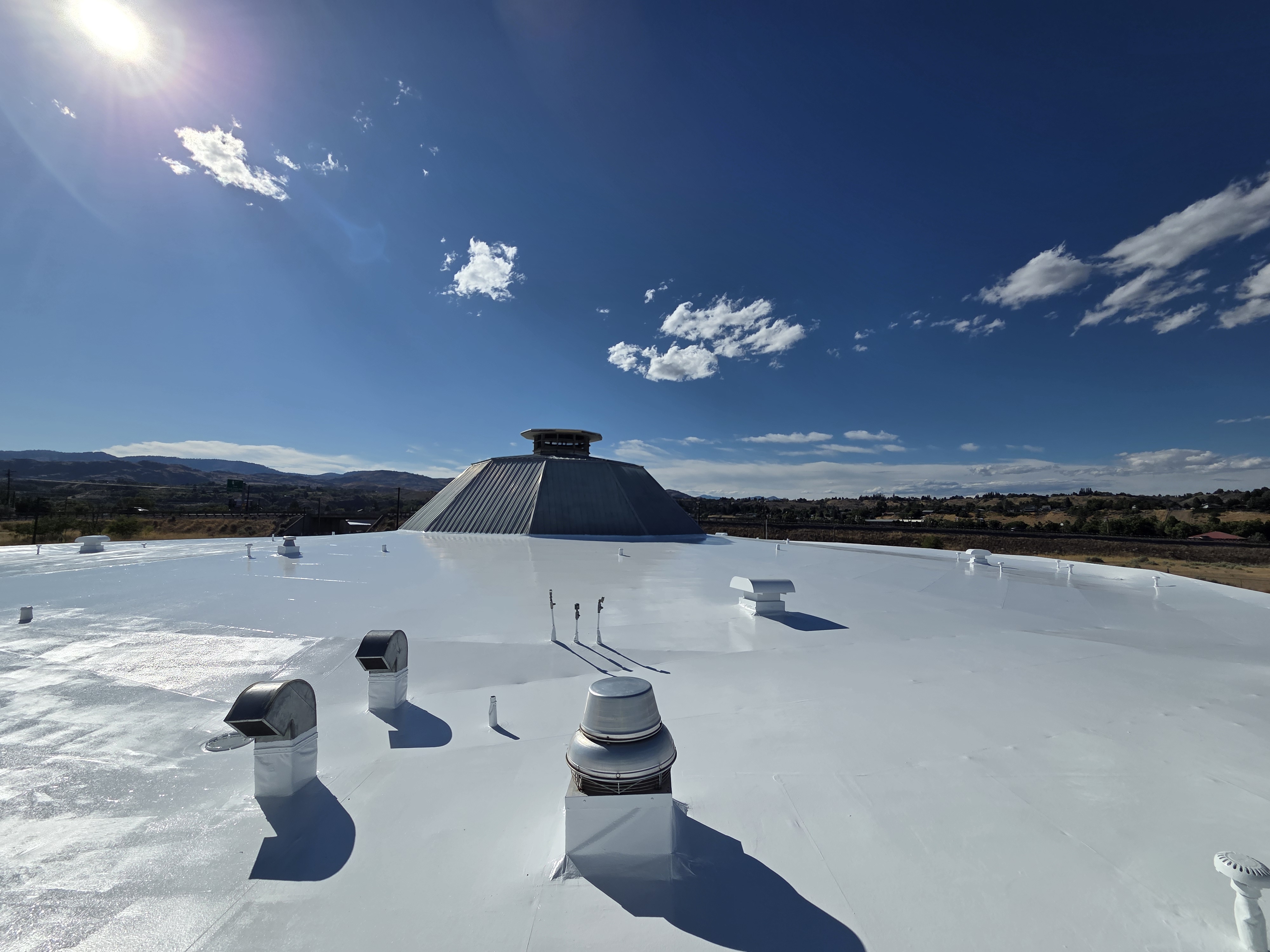
In a recover, we leave the old roof in place. We usually add a new layer of insulation or cover board, then install a new membrane like TPO or PVC on top.
Why owners like it:
Less tear-off, less mess and less waste
Usually faster
Less disruption for the people inside the building
Often lower cost than a full tear-off
When a recover isn't allowed
Building code sets clear limits. A recover isn't allowed when:
The roof already has two or more layers
The existing roof is water-soaked or too deteriorated to be a solid base
The roof is slate, clay, cement or asbestos-cement tile
In those cases, the old roof has to come off.
Why core samples matter
You can't tell what's inside a roof by looking at the top. That's why we take core samples before recommending a recover.
A core sample is a small cut through the roof layers. It shows us:
How many roofs are already on the building
What kind of insulation is there
Whether that insulation is wet
The condition of the deck
Afterward, we patch each core so it's watertight.
When a tear-off is the better choice
Even when a recover is allowed, a tear-off can be smarter if:
There's wet insulation in large areas
You suspect deck damage
You want to add more insulation without raising the roof too high at doors and walls
You plan to own the building for a long time and want a clean start
A tear-off lets us see the deck, fix any damage and build the new roof from the ground up.
Learn more about our recover or tear-off service.
The bottom line
There's no one right answer for every building. The right choice comes from what's actually inside your roof.
We'll take core samples and give you a clear recommendation.
Or call (509) 842-6611.
Comments